
Understanding the Role of the Fridge Compressor
What is a fridge compressor?
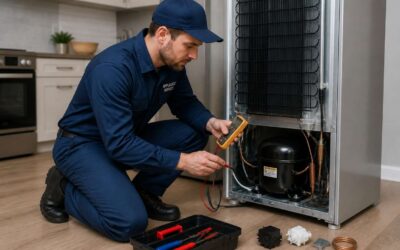
The heart of every fridge beats quietly beneath its exterior— the compressor. Often overlooked, this vital component is responsible for maintaining the cold environment that preserves our food and keeps our homes running smoothly. A fridge compressor is essentially a pump that circulates refrigerant through the cooling system, transforming electrical energy into the mechanical work necessary to keep everything chilled. When it falters, the entire appliance risks losing its ability to function properly.
Understanding the role of the fridge compressor is key to knowing whether you can repair fridge compressor yourself or need professional help. It’s not just about fixing a broken part; it’s about restoring a vital link in your fridge’s cooling cycle. The compressor works in tandem with other components, such as the condenser and evaporator coils, to ensure that cold air circulates seamlessly. If your fridge isn’t cooling as it should, then the question often arises— can you repair fridge compressor? Sometimes, with the right knowledge and tools, minor issues can be addressed, but often, a careful assessment is needed to determine whether repair or replacement is more practical.
- Motor failure
- Refrigerant leaks
- Electrical faults
How does a compressor contribute to refrigeration?
The compressor is the silent engine behind every functioning fridge, orchestrating the complex dance of refrigeration. It’s more than just a pump; it’s the conductor that ensures refrigerant flows seamlessly through the system, transforming electrical energy into the mechanical force needed to keep your food fresh. Without this vital component, the entire cooling cycle stalls, leaving perishables vulnerable to spoilage and chaos to reign in your kitchen.
Understanding how the compressor contributes to refrigeration reveals why its health is critical. It compresses refrigerant vapor, raising its pressure and temperature, before sending it to the condenser coils where it cools down and releases heat. From there, it travels through the evaporator coils, absorbing heat and creating the cool environment inside your fridge. When the compressor fails, this process grinds to a halt, prompting the urgent question— can you repair fridge compressor?
While some minor issues like refrigerant leaks or electrical faults might be fixable, others— such as motor failure— often demand professional intervention. Whether it’s a simple repair or a complete replacement, understanding the compressor’s role helps determine the best course of action. Sometimes, it’s a matter of weighing the cost of repairs against the practicality of replacing the unit altogether.
Common signs of compressor failure
In the intricate ballet of refrigeration, the compressor often takes center stage—yet it’s a component many assume is invincible until it suddenly isn’t. Recognising the common signs of compressor failure can save you from a kitchen catastrophe. A shrill, persistent hum or an inability to maintain the desired temperature are telltale clues that something’s amiss. Additionally, if your fridge is running constantly without stopping, the compressor might be struggling to do its job. These symptoms aren’t just minor inconveniences; they signal that your cooling system may be on the brink of collapse.
So, can you repair fridge compressor? The answer depends largely on the nature of the fault. Minor issues such as electrical faults or refrigerant leaks might be within reach for the skilled DIY enthusiast or a qualified technician. Conversely, if the compressor motor has failed—often a costly affair—professional intervention is essential. Recognising these signs early can determine whether a repair is feasible or if a replacement becomes the more economical choice. After all, in South Africa’s bustling households, a malfunctioning fridge is more than an annoyance—it’s a potential health hazard!
Common Causes of Fridge Compressor Malfunctions
Electrical issues and wiring problems
Electrical issues and wiring problems are among the leading culprits behind fridge compressor malfunctions. In rural South Africa, where power fluctuations are common, these issues can strike at any moment, leaving families without the cool comfort they rely on. A sudden power surge or a faulty wiring connection can cause the compressor to stop working altogether, turning a once-efficient fridge into a useless box of spoiled food.
Often, these electrical faults are subtle—corrosion on wiring, loose connections, or damaged capacitors. Such problems require a keen eye and a steady hand, especially because attempting to fix them without proper knowledge can do more harm than good. So, many wonder, can you repair fridge compressor? The truth is, many electrical issues are repairable, but diagnosing the root cause demands experience and precision. A professional assessment can determine whether wiring repairs or component replacements will restore your fridge’s heartbeat.
In some cases, the damage is beyond simple repairs, and replacing the compressor might become the only viable option. Still, understanding the common electrical causes helps you decide if calling in a qualified technician is the right step, ensuring your fridge gets the care it deserves and keeps your household running smoothly.
Refrigerant leaks and low coolant levels
Ever wondered why your trusty fridge suddenly refuses to keep things cool? Sometimes, it’s not just a dramatic electrical meltdown but a sneaky leak of refrigerant or a drop in coolant levels. These silent saboteurs are among the most common causes of fridge compressor malfunctions, silently undermining your appliance’s ability to chill. When refrigerant leaks occur, they create a vicious cycle—less coolant means less heat transfer, which strains the compressor and can lead to total failure.
But can you repair fridge compressor in these situations? Well, it depends. Sometimes, a professional can seal up a refrigerant leak or top up the coolant, effectively restoring the compressor’s mojo. However, pinpointing the exact leak location and ensuring the correct refrigerant amount is a delicate process—one that requires expertise. Sometimes, the damage runs so deep that replacing the compressor is the only option. So, while refrigerant leaks and low coolant levels are repairable, it often demands a keen eye and a steady hand—skills best left to the pros who know their way around refrigeration systems.
In rural South Africa, where power fluctuations and environmental factors are common, understanding these causes can save you from unnecessary expenses. Remember, asking yourself, “can you repair fridge compressor?” is only half the story—knowing when to call in the experts makes all the difference for your fridge’s longevity and your peace of mind.
Mechanical failures and worn-out components
Mechanical failures and worn-out components are silent culprits behind many fridge compressor malfunctions. Over time, parts like bearings, pistons, and valves endure relentless wear and tear, especially in the unpredictable climate of South Africa. These components can become brittle, cracked, or misaligned, causing the compressor to struggle or cease altogether. When this happens, the compressor’s ability to circulate refrigerant diminishes, jeopardizing the entire cooling system.
In some cases, the damage is straightforward to identify. For instance, a grinding noise might signal worn bearings, while overheating could point to failing pistons. Addressing these issues often requires a keen eye and specialized tools. For those wondering, “can you repair fridge compressor?” the answer varies. Minor mechanical failures may be repairable, but severe wear often necessitates a full replacement—especially if parts are no longer available or the damage is extensive.
- Worn bearings
- Damaged pistons or valves
<li-Cracked or broken motor windings
Understanding these common causes not only helps in diagnosing compressor issues but also underscores the importance of professional intervention. Repairing a fridge compressor isn’t just about fixing a part; it’s about restoring the heart of your refrigeration system with precision and expertise. So, when faced with doubts—can you repair fridge compressor?—the answer often leans towards consulting seasoned technicians who can bring your appliance back to life.
Overheating and dusty coils
Overheating is a silent yet insidious adversary that often precipitates compressor failure. When dust and grime accumulate on coils—those vital pathways for heat dissipation—the efficiency of the refrigeration cycle diminishes dramatically. Dusty coils act as barriers, trapping heat and forcing the compressor to work harder, which in turn generates excessive heat. This cycle can spiral out of control, causing components to expand beyond their tolerances and leading to mechanical stress or outright failure.
In regions like South Africa, where dust storms and dry air are prevalent, neglecting coil maintenance becomes especially perilous. The question arises: can you repair fridge compressor damaged by overheating? The answer hinges on the extent of the damage. Sometimes, cleaning the coils suffices; other times, the compressor may sustain irreversible harm.
Understanding common causes of compressor malfunctions, such as overheating and dusty coils, underscores the importance of regular maintenance.
- Dirty coils
- Poor ventilation
are frequent culprits that elevate operating temperatures and can ultimately compromise the compressor’s longevity. Recognizing these signs early could mean the difference between a simple repair and costly replacement.
Can You Repair a Fridge Compressor Yourself?
Assessing your DIY skills and tool availability
When faced with a malfunctioning fridge compressor, the question often arises: can you repair fridge compressor yourself? The answer isn’t always straightforward. While some minor issues might be within reach for those with a decent DIY skill set, the intricacies of compressor repair demand a careful assessment of your technical ability. Fridge compressors are complex components, and mishandling can lead to further damage or safety hazards.
Before diving into repairs, consider the tools at your disposal. Do you have access to a multimeter, refrigerant recovery equipment, or precision screwdrivers? If not, tackling a compressor repair may be more trouble than it’s worth. For those with experience in electrical systems and refrigeration, a systematic approach can make the task manageable. However, for the average homeowner, consulting a professional might be the safer choice—especially since the risks of improper repair include voided warranties and potential refrigerant leaks. Ultimately, understanding your limits is key when asking, can you repair fridge compressor without risking more costly repairs down the line!
Safety precautions before attempting repairs
When contemplating whether you can repair fridge compressor yourself, the first question that surfaces is safety. A malfunctioning compressor might seem like a straightforward fix, but beneath its unassuming exterior lies a labyrinth of electrical currents and refrigerant pathways. Attempting repairs without proper precautions can transform a minor mishap into a costly disaster—refrigerant leaks, electrical shocks, or further mechanical damage.
Before engaging in any DIY repair, ensure you have an understanding of the risks involved. Disconnecting power sources, wearing protective gear, and working in a well-ventilated space are paramount. Remember, refrigerants are hazardous, and mishandling can compromise not only your safety but also the integrity of the appliance. If you’re unsure whether you can repair fridge compressor safely, it’s better to consult a professional—because sometimes, the greatest strength lies in knowing your limits.
Simple fixes versus complex repairs
When it comes to repairing a fridge compressor, the answer isn’t always a straightforward “yes” or “no.” While some minor hiccups—like a loose wire or a clogged condenser coil—can be tackled with a bit of DIY spirit, delving into the heart of the compressor often feels like trying to fix a spaceship with a butter knife. So, can you repair fridge compressor? It depends on the problem’s complexity and your toolbox of skills.
Simple fixes, such as cleaning dusty coils or replacing worn-out relay switches, are within reach for the handy homeowner. But when it comes to actual compressor repairs—like replacing internal components or handling refrigerant—you’re entering dangerous territory. These repairs often require specialized tools, knowledge of electrical systems, and the ability to handle refrigerants safely. Trying to DIY a complex compressor repair without proper expertise can turn a minor inconvenience into a costly nightmare, so knowing your limits is crucial.
Professional Repair and Replacement Options
When to seek professional help
When it comes to the heart of your fridge—the compressor—the decision to seek professional repair or replacement is crucial. While some handy homeowners might consider a DIY fix, the complex nature of compressor issues often demands expert intervention. Attempting to repair a fridge compressor without proper knowledge can lead to further damage, increased costs, or even safety hazards. In South Africa, where reliable refrigeration is essential for preserving fresh produce and dairy, entrusting your appliance to a qualified technician ensures longevity and peace of mind.
If you’re wondering can you repair fridge compressor yourself, consider the severity of the problem. Minor electrical issues or refrigerant leaks might be within reach for seasoned DIY enthusiasts, but mechanical failures or compressor burnout are best left to professionals. When in doubt, it’s wise to opt for professional repair and replacement options, especially since a malfunctioning compressor could compromise the entire cooling system and risk costly replacements down the line.
Cost implications of repairing vs. replacing
When the icy heart of your refrigerator falters, the question lingers—can you repair fridge compressor, or does it demand the cold touch of a professional? The cost of repair often shadowed by the specter of replacement, presents a dilemma that can chill even the most seasoned homeowner. Repairing a compressor might seem like a quick fix, but in the shadowy depths of refrigeration, the stakes are high. A professional repair ensures the integrity of your cooling system remains intact, guarding against the risk of further damage that can lead to costly replacements.
Opting for a repair service in South Africa often hinges on the severity of the fault. Minor electrical glitches or refrigerant leaks are sometimes manageable for skilled DIYers, but mechanical failures or compressor burnout are treacherous waters best navigated by seasoned technicians. When considering the cost implications, remember that a professional repair might initially seem expensive but often pales in comparison to the expenses of a full compressor replacement. The delicate dance between repair and replace becomes clear—sometimes, investing in expert intervention preserves your fridge’s life and your peace of mind.
What to expect from a professional compressor repair
When it comes to the mysteries lurking behind a faltering fridge, professional repair options often stand as the beacon of hope. Can you repair fridge compressor? The answer hinges on the complexity of the issue. Skilled technicians bring a meticulous approach, diagnosing the root cause with precision and employing specialized tools that aren’t available to the average homeowner. Expect a thorough inspection of electrical wiring, refrigerant systems, and mechanical parts—each step vital to ensure the compressor’s longevity.
During a professional compressor repair, you might encounter a series of well-orchestrated procedures designed to restore your fridge’s cooling prowess. These include replacing worn-out components, sealing refrigerant leaks, or rewiring electrical faults. For those wondering about the scope of such repairs, here’s what typically unfolds:
- Assessment of compressor health and identifying underlying faults
- Disconnection and safe removal of the faulty compressor
- Replacement or refurbishment of internal parts, if feasible
- Recharging refrigerant levels and testing system integrity
Choosing professional repair over replacement isn’t just about fixing the immediate problem—it’s about safeguarding your investment. Expert repairs often extend the lifespan of your fridge, preventing future breakdowns that could lead to costly replacements. When questions like, “can you repair fridge compressor?” arise, the most compelling answer comes from seasoned technicians equipped to handle even the most daunting refrigerant and mechanical challenges with confidence and precision.
Preventive Maintenance for Extending Compressor Life
Regular cleaning and dusting of coils
In the shadowed corridors of refrigeration, the compressor is the silent heartbeat—its whispering hum maintaining the delicate balance between preservation and decay. Yet, even the most resilient compressor can falter, succumbing to neglect or the relentless passage of time. The question lingers—can you repair fridge compressor, or is it destined for the scrapyard of forgotten machinery?
Preventive maintenance acts as a guardian against the encroaching darkness. Regular cleaning and dusting of coils serve as a ritual to banish the dust demons that threaten to suffocate the compressor’s vital functions. Dust and grime, if left unchecked, can insidiously cause overheating and mechanical failure, hastening the compressor’s decline. A simple yet potent measure—an unassuming brush or compressed air—can prolong its life and keep the shadows at bay.
For those brave enough to venture into the realm of DIY repairs, understanding the importance of coil maintenance is paramount. It’s not just about cleanliness but about maintaining the compressor’s inner sanctum—ensuring that the refrigerant flows unimpeded and that the compressor remains cool under pressure. Regularly inspecting coils and ensuring proper airflow might just be the difference between a compressor that whispers on and one that falls silent forever.
Checking door seals and temperature settings
In the quiet symphony of refrigeration, a well-maintained compressor is the maestro, orchestrating the delicate dance of cold. Yet, even the most steadfast compressor can falter, whispering its last notes after years of service. The question echoes in the shadows—can you repair fridge compressor, or is it better to bid farewell to the old machinery? Fortunately, preventive maintenance acts as a vigilant guardian, extending the compressor’s life and preserving its song.
Regularly checking door seals and adjusting temperature settings is a simple yet powerful practice. When seals are compromised, warm air infiltrates, forcing the compressor into overdrive. Proper temperature regulation ensures the compressor doesn’t work tirelessly, reducing wear and tear. Remember, a refrigerator’s health hinges on these subtle yet vital details—each tweak and inspection keeps the cold flowing and the compressor humming smoothly.
Monitoring for early signs of trouble
In the grand opera of refrigeration, the compressor’s rhythmic pulse sustains the symphony of cold. Yet, like any maestro, it is vulnerable to the wear of time and the silent whispers of impending failure. Preventive maintenance, therefore, becomes the vigilant conductor, ensuring the melody persists. Regularly monitoring your fridge’s performance can reveal early signs of trouble—strange noises, inconsistent cooling, or increased energy consumption. These subtle hints act as the first notes of alarm, prompting timely intervention.
To extend the life of your compressor, consider a meticulous inspection routine. This might include checking for dusty coils, ensuring proper airflow, and maintaining a stable temperature setting. A well-cared-for compressor can often be salvaged, but the question remains—can you repair fridge compressor yourself? Recognizing the signs early is crucial; neglect can turn minor issues into costly repairs or full replacement. Vigilance is your best ally, for when trouble lurks beneath the surface, a keen eye and a gentle touch can sometimes restore harmony without the need for drastic measures.
Final Thoughts
When it comes to the question, can you repair fridge compressor, the answer isn’t always straightforward. A compressor is the heart of your fridge, responsible for maintaining that perfect cold environment. It’s tempting to think a quick fix might do the trick, but sometimes, professional intervention is essential. Repairing a fridge compressor isn’t just about replacing parts; it’s about understanding the intricacies of refrigeration systems and knowing when a repair is viable.
Many homeowners grapple with whether to attempt a repair or replace the entire unit. The reality is, some issues—like motor failure or refrigerant leaks—are signs that a compressor may be beyond simple repair. If you’re considering whether you can repair fridge compressor, evaluate the severity of the fault, cost implications, and your own technical skill. In some cases, a professional diagnosis can save you money and prevent further damage. Remember, not every compressor can or should be repaired, especially if it’s heavily corroded or damaged beyond repair.
Ultimately, understanding the limits of what can be repaired helps you make smarter choices. Whether you opt for repair or replacement, prioritizing quality and safety ensures your fridge continues to serve reliably. After all, in a country like South Africa, where reliable refrigeration is a staple, knowing whether you can repair fridge compressor can save both time and money—plus, keep your food fresh longer!


0 Comments